
What makes a holiday in Greece unique?
Discover what makes Greece unique: dreamy islands, genuine hospitality, nature, culture and unforgettable experiences.
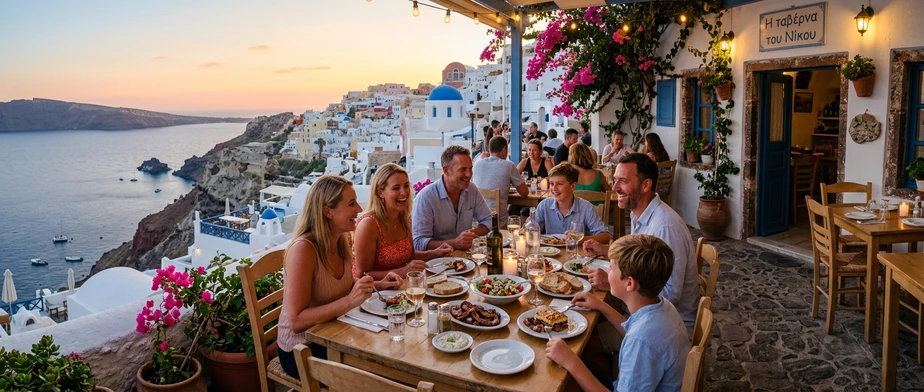
Greece attracts millions of travelers year after year, and yet every stay feels different from other Mediterranean destinations. The reason lies in the mix of ancient history, landscapes between mountains and turquoise sea, and a hospitable way of life. Travelers on the mainland or the islands do not encounter an interchangeable backdrop, but genuine warmth, pleasure and a deep bond with nature. Especially for German holidaymakers who in 2026 are looking for both deep relaxation and exciting adventures, Greece offers a remarkably wide range of options that few other destinations can match in this form. This guide shows what makes a stay in Greece so unforgettable.
Greek hospitality: How philoxenia makes your stay special
More than politeness: a living tradition
The Greek word philoxenia literally means “friendship towards the stranger” and describes a cultural attitude that is deeply rooted in society. As early as antiquity, it was considered a sacred duty to offer travelers shelter and food. This tradition lives on today. In small mountain villages on the Peloponnese or in remote settlements in the Cyclades, guests are often spontaneously invited for coffee, homemade cheese or a glass of tsipouro. Encounters like these cannot be booked; they arise from genuine openness. Anyone planning a holiday in Greece away from the large resorts will come across this warm-hearted side of the country.
Village festivals and local customs up close
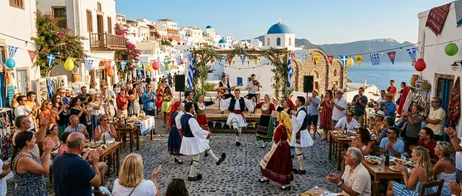
Philoxenia is particularly visible at the panigyria, the traditional village festivals held all over Greece in honor of local patron saints with great dedication and deep-rooted joy. Music, dancing and shared meals served at long tables in the open air bring locals and visitors together in a way that effortlessly overcomes language barriers and creates a sense of belonging that lingers long after the celebration. In summer, these festivals take place almost every week on smaller islands such as Ikaria or Naxos. Long tables are set up outside and everyone is invited to join in. The shared celebration creates memories that go far beyond an ordinary day at the beach. Anyone who really wants to understand Greece should attend at least one such festival.
The best regions for active holidays between sea and mountains
Crete: hiking paradise with gorges and coastal trails
Greece’s largest island combines alpine mountain ranges, fertile plateaus and dramatic stretches of coastline in a relatively small area. The famous Samaria Gorge is 16 kilometers long, making it one of the longest canyons in Europe and a magnet for hikers from all over the world. Less well-known routes, such as the E4 long-distance trail along the south coast or the ascent to the summit of Mount Psiloritis, also offer breathtaking views. A holiday on Crete combines sporting challenges with the chance to jump into the sea at secluded bays afterwards. This mix of effort and reward makes the island one of the most exciting active destinations in the Mediterranean.
Epirus and Zagori: Greece’s wild north
Away from the islands, the northwest of the mainland offers a landscape that surprises many travelers. The Zagori region with its 46 stone villages, famous arched bridges and the Vikos Gorge feels more like the Alps than the stereotype of Greece. You can go on multi-day hikes here, try white-water rafting on the Voidomatis River or even go skiing in winter. The contrasts within a single country are remarkable. In the morning, you can walk through misty forests, and in the afternoon swim in the Ionian Sea off the coast of Parga. Travelers who want to relax and recharge their batteries on holiday will find the right setting in this varied natural environment.
Seven unique experiences you will only find in Greece
Between ancient sites and a vibrant present, the country offers experiences that turn a trip into something truly memorable. The following list highlights moments that make a stay here stand out:
1. Watching the sunset over Santorini’s caldera, a natural spectacle that leaves visitors speechless every year.
2. Swimming in the sea caves of Milos, surrounded by turquoise water and volcanic rock.
3. Visiting the Meteora monasteries in Thessaly, perched on high sandstone cliffs since the 14th century.
4. Spending the night in a traditional tower house guesthouse on the Mani Peninsula in the southern Peloponnese.
5. Having breakfast with fresh regional olive oil and dakos bread on a Cretan mountain terrace.
6. Observing the monk seal colony in the Alonissos Marine National Park in the Northern Sporades.
7. Joining a traditional grape harvest on Samos or Kefalonia in September.
Each of these experiences highlights one aspect that sets Greece apart from other destinations. Travelers who want to go deeper into planning will find more ideas and practical advice in detailed travel tips for Greece.
Culinary discoveries from tavern to winery
Greek cuisine, which has developed over centuries, is shaped by regional differences between the mainland and the islands and by seasonal ingredients that give dishes their character depending on the time of year and growing area. On Crete, the well-known Cretan diet influences daily meals with wild greens (chorta), pulses and the island’s fragrant olive oil. Lesbos is famous for sardines and ouzo, while Thessaloniki is known for bougatsa. Alongside the taverns, Greek wineries have been gaining international attention for years. Assyrtiko from Santorini and Xinomavro from Naoussa are appreciated by wine lovers around the world. Tasting sessions at small wineries are among the insider tips that can turn a beach holiday into a journey of discovery. The interplay of food and landscape, for example when freshly caught fish is prepared right at the harbor, creates lasting memories.
Designing your ideal trip to Greece
Greece consists of more than 6,000 islands and a mainland with mountains, coasts and fertile plains. Choosing the right place to visit depends heavily on personal preferences because the different regions, islands and stretches of coastline offer such varied experiences that every traveler can set their own focus. Visitors interested in culture and history usually head for Athens, with the Acropolis, Delphi with its famous oracle sanctuary, or Mycenae, where Bronze Age ruins still testify to a long-gone civilization. Families prefer the shallow sandy beaches of Halkidiki or the east coast of Rhodes. Couples find the often-described romantic atmosphere of the Cyclades, especially on Milos, Folegandros or Sifnos, more intense in person than in any travel guide. The best time to travel is between May and October, with spring and autumn being quieter.
Another advantage is the straightforward journey from Germany. Numerous direct flights connect German airports with Athens, Thessaloniki, Heraklion, Corfu and other destinations. The combination of holiday homes in quiet locations, short distances to the sea and proximity to authentic villages creates exactly the kind of freedom that defines a successful holiday. This makes Greece a destination that reveals new sides of itself with every visit and that is precisely what makes it so distinctive.
FAQ
When is the best time to travel for different activities in Greece?
For hiking and sightseeing, April to June and September to October are ideal because temperatures are pleasant without extreme heat. Beach holidays are best from May to October, with the sea becoming really warm from June. Sailing trips work particularly well in July and August thanks to the steady Meltemi winds, while photographers appreciate the softer light in autumn.
Which Crete packages best combine culture and active holidays?
Crete is ideal for travelers who enjoy both ancient sites and outdoor activities. On travel portals such as ab in den urlaub you will find Crete holiday packages that combine hikes through the Samaria Gorge with visits to Minoan palaces. The island also offers excellent conditions for water sports and mountain tours.
What should I consider when planning a budget for a holiday in Greece?
In addition to flights and accommodation, you should allow around 50 to 80 euros per day for food and activities. Meals in small taverns are usually cheaper than in tourist centers. Rental cars cost around 25 to 45 euros per day depending on the season, while public transport is significantly less expensive. A tip of 10% is customary.
Which typical mistakes should I avoid on my first trip to Greece?
Many first-time visitors underestimate the midday heat and plan too many activities between noon and 4 pm. You should also always carry cash, as many small businesses do not accept cards. Avoid running low on fuel in remote areas on Sundays because many petrol stations are closed. Respect dress codes in churches and monasteries.
Where can I book an extensive trip to Greece that includes several regions?
For a varied round trip through Greece that combines several regions, ab in den urlaub offers flexible packages. You can, for example, put together a Greece holiday that includes Athens, the Cyclades and the Peloponnese. This way, you experience both the cultural highlights of the mainland and the relaxed island atmosphere in one trip.
More articles
Why Is Greece the Ideal Travel Destination in 2026?
Discover Greece in 2026 away from mass tourism: insider tips, authentic islands, culture, regional cuisine and practical travel advice for your holiday.
Culture and Sights in Greece
Greece offers more than beaches and sunshine: discover ancient sites, vibrant traditions and cultural highlights for a journey with real depth.
Harbour Romance in Greece: Discover Coastal Ports
Greece enchants with harbour romance, historic coastal towns, lighthouses and maritime flair along its dreamlike shores.
Experience Traditions and Festivals in Greece Authentically
Greece captivates with traditional festivals, music, dance and cultural experiences full of hospitality and enjoyment.
Enjoy a Relaxing Holiday with Your Dog in Greece
A holiday with your dog in Greece is especially relaxed with good preparation. Tips on accommodation, journey, everyday life on site and renting a holiday home by the sea.
Greece’s Natural Wonders: Discover 5 National Parks
Five national parks in Greece reveal the country’s diversity beyond the beaches. Discover mountains, lakes, forests and impressive nature experiences.
